Condition and assessment
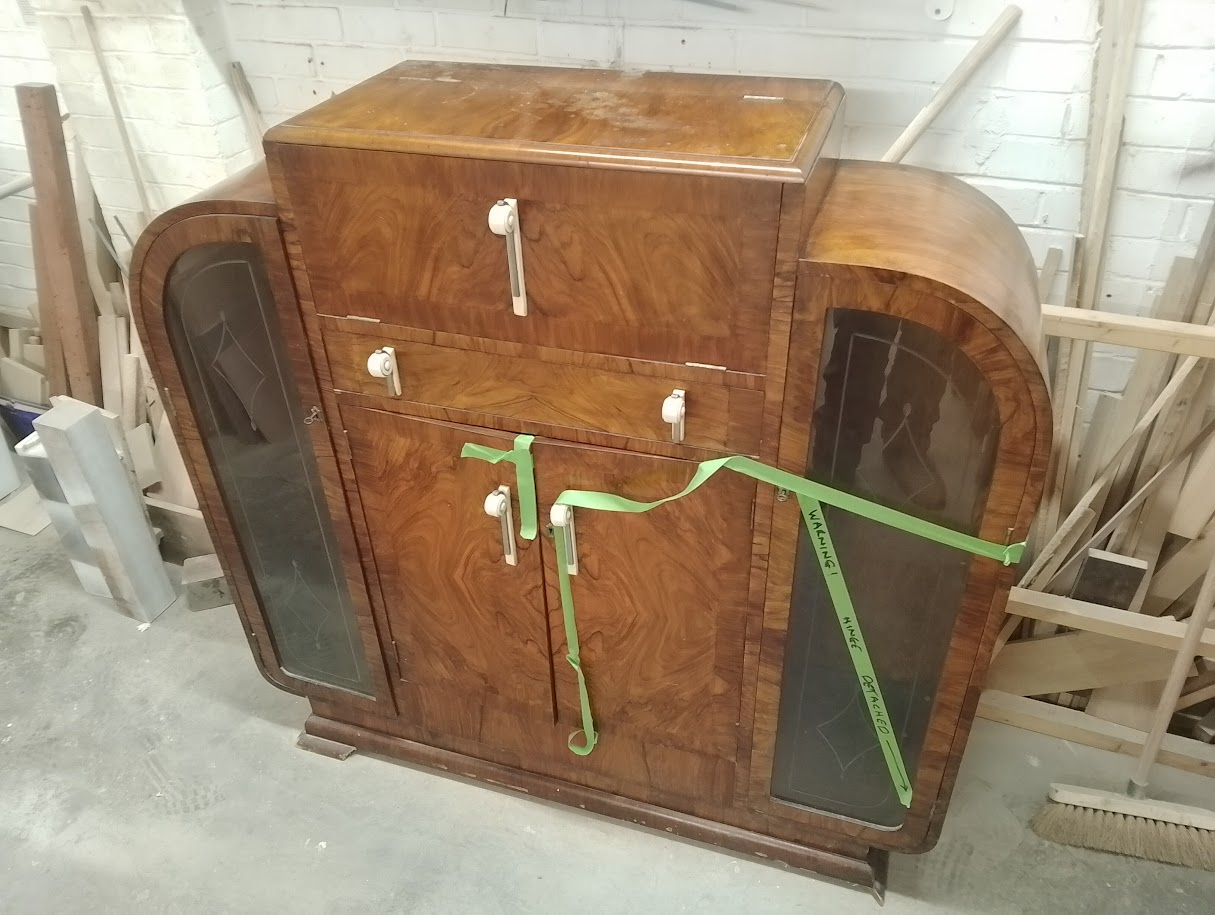
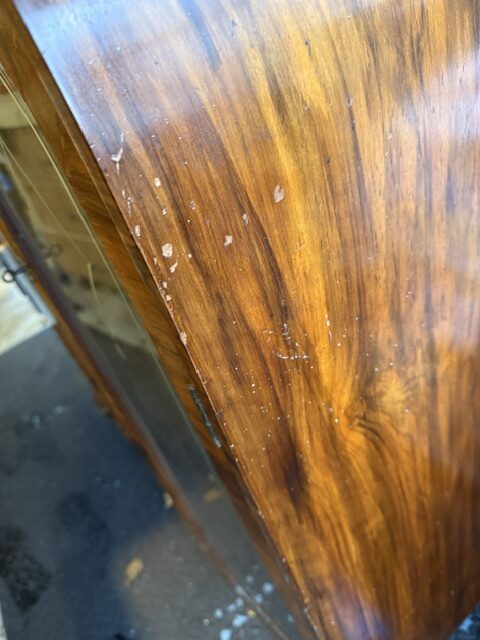
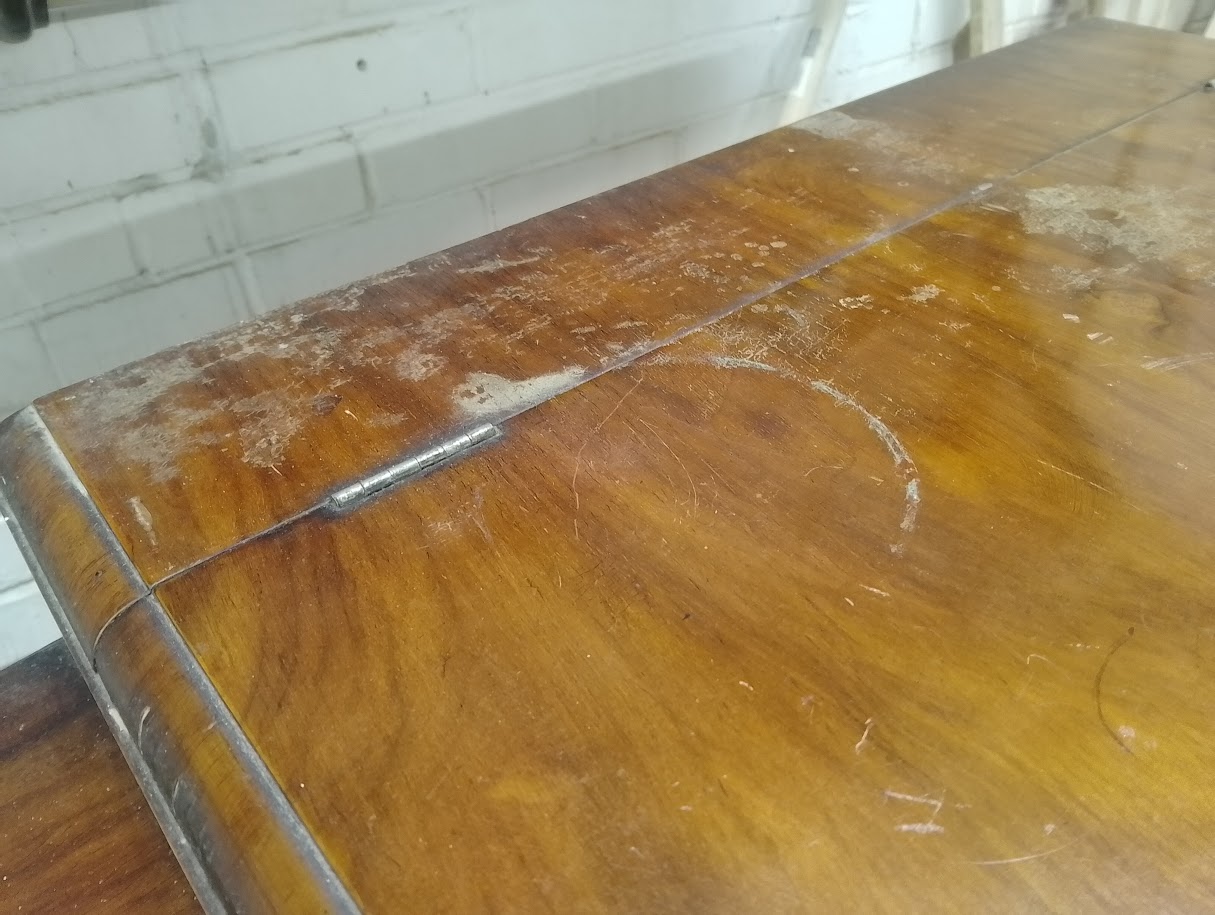
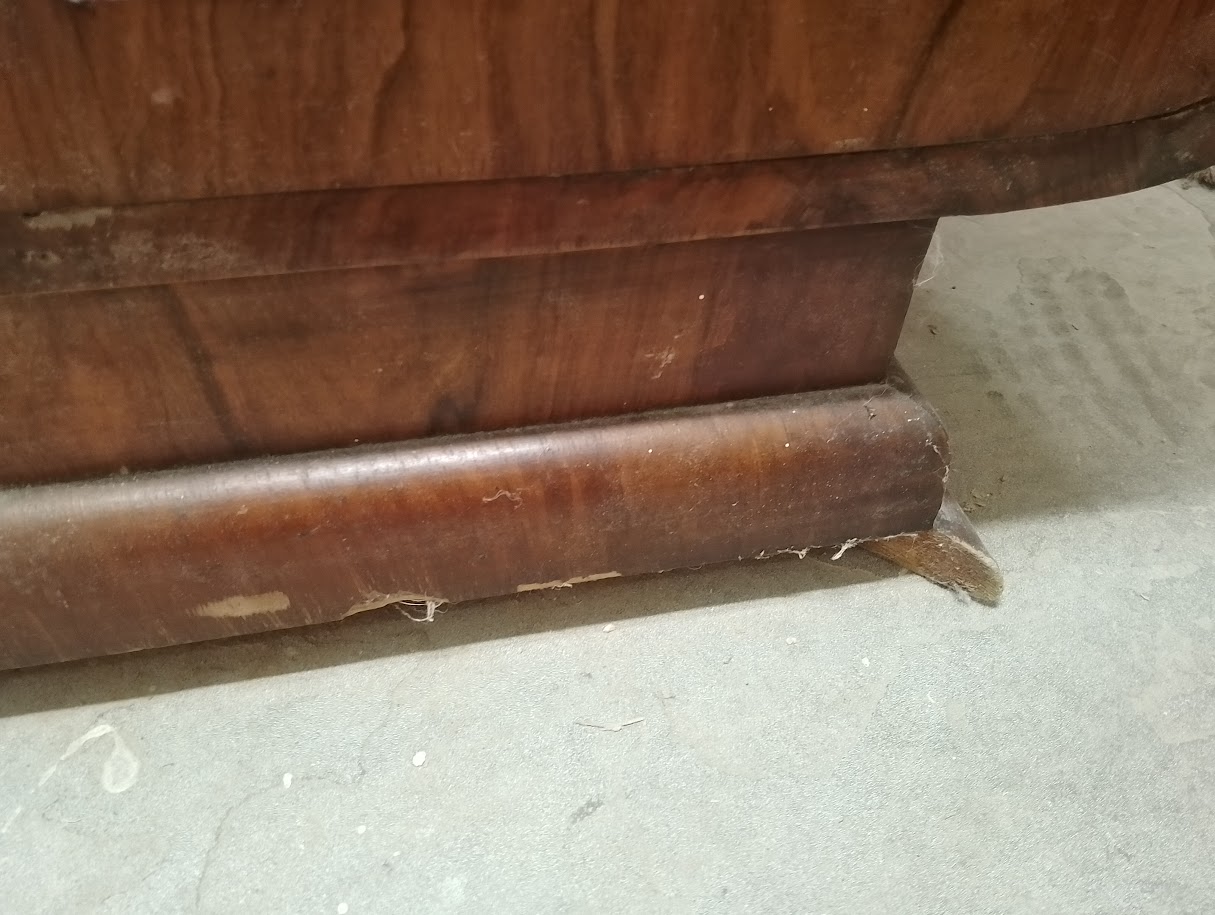
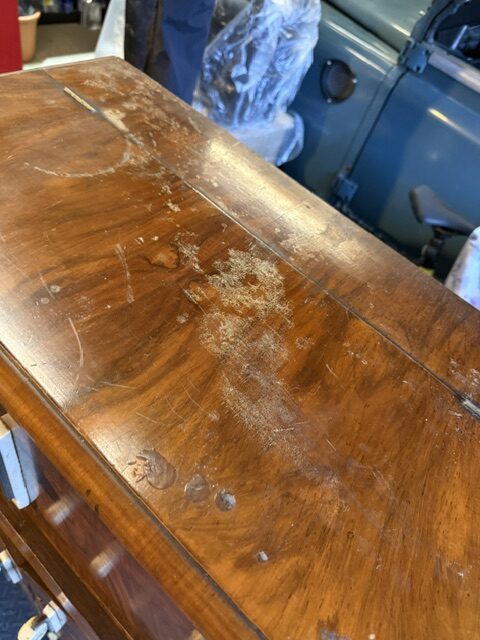
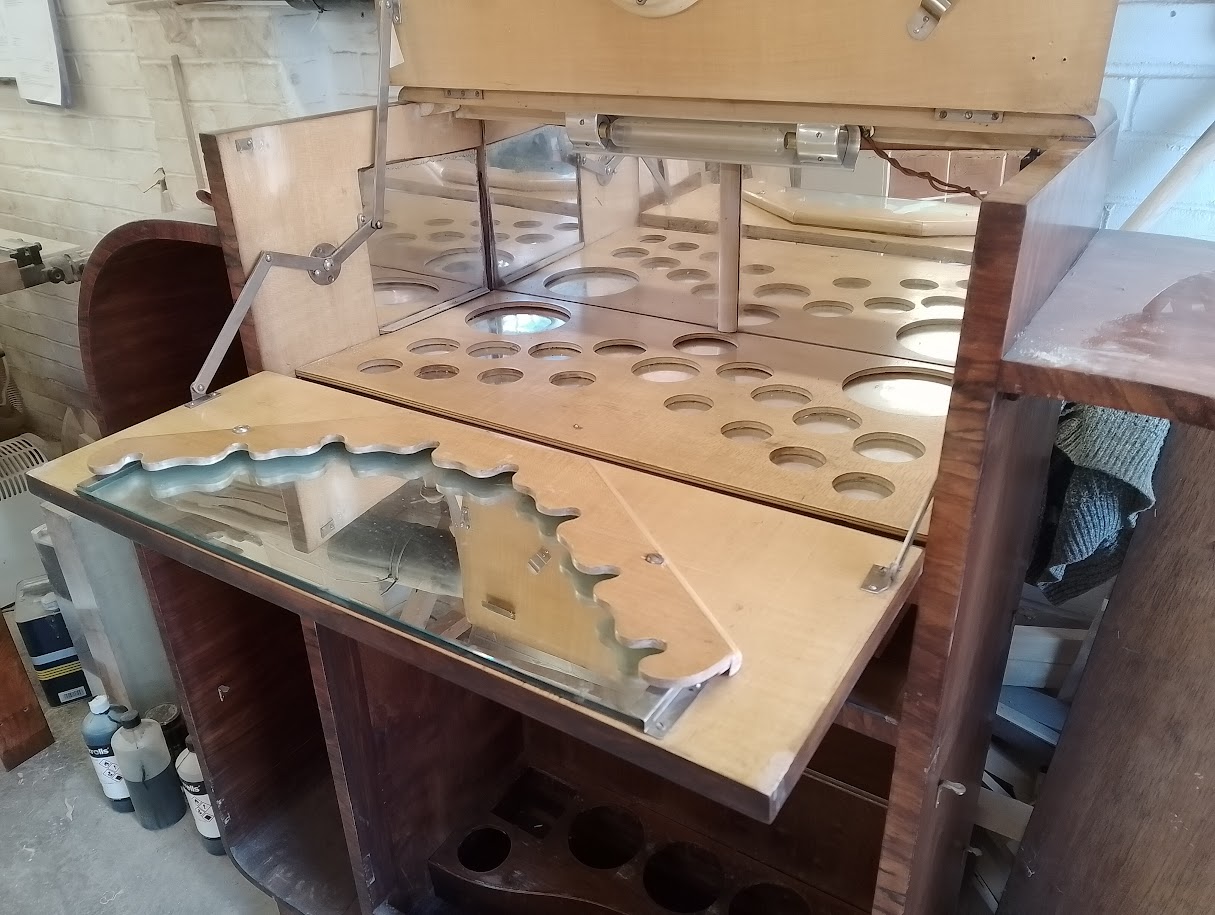
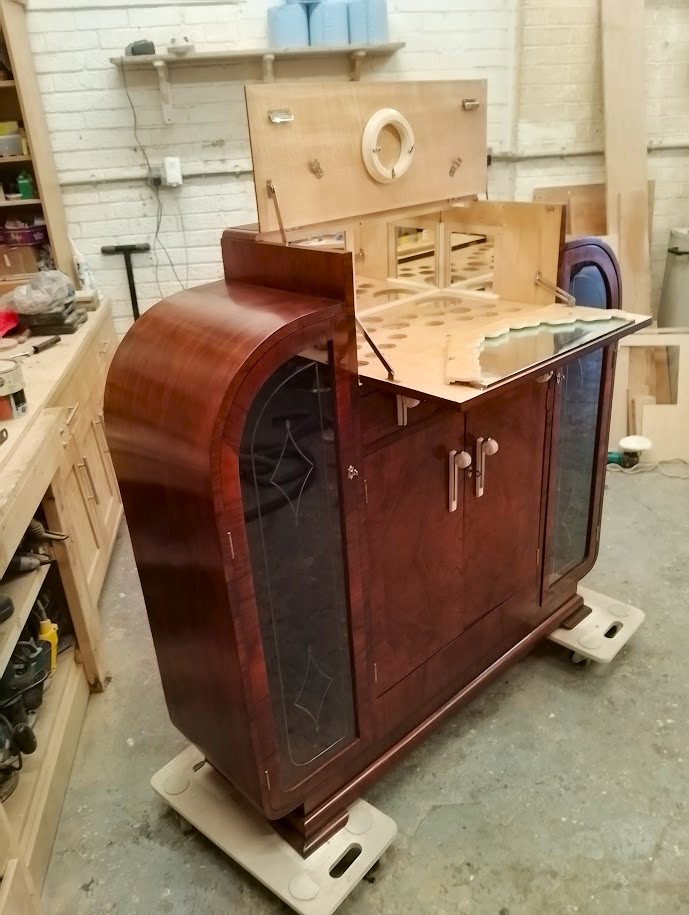
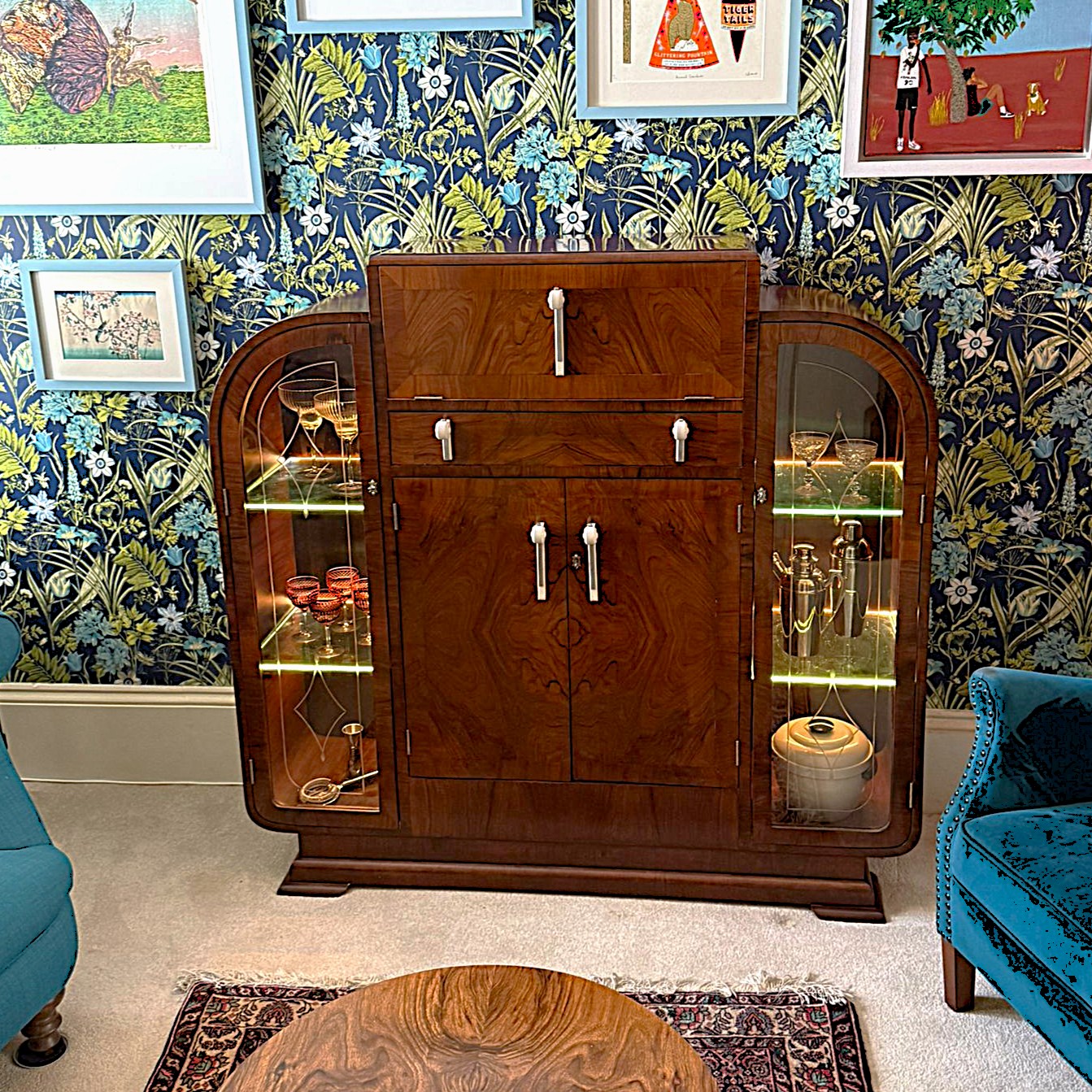
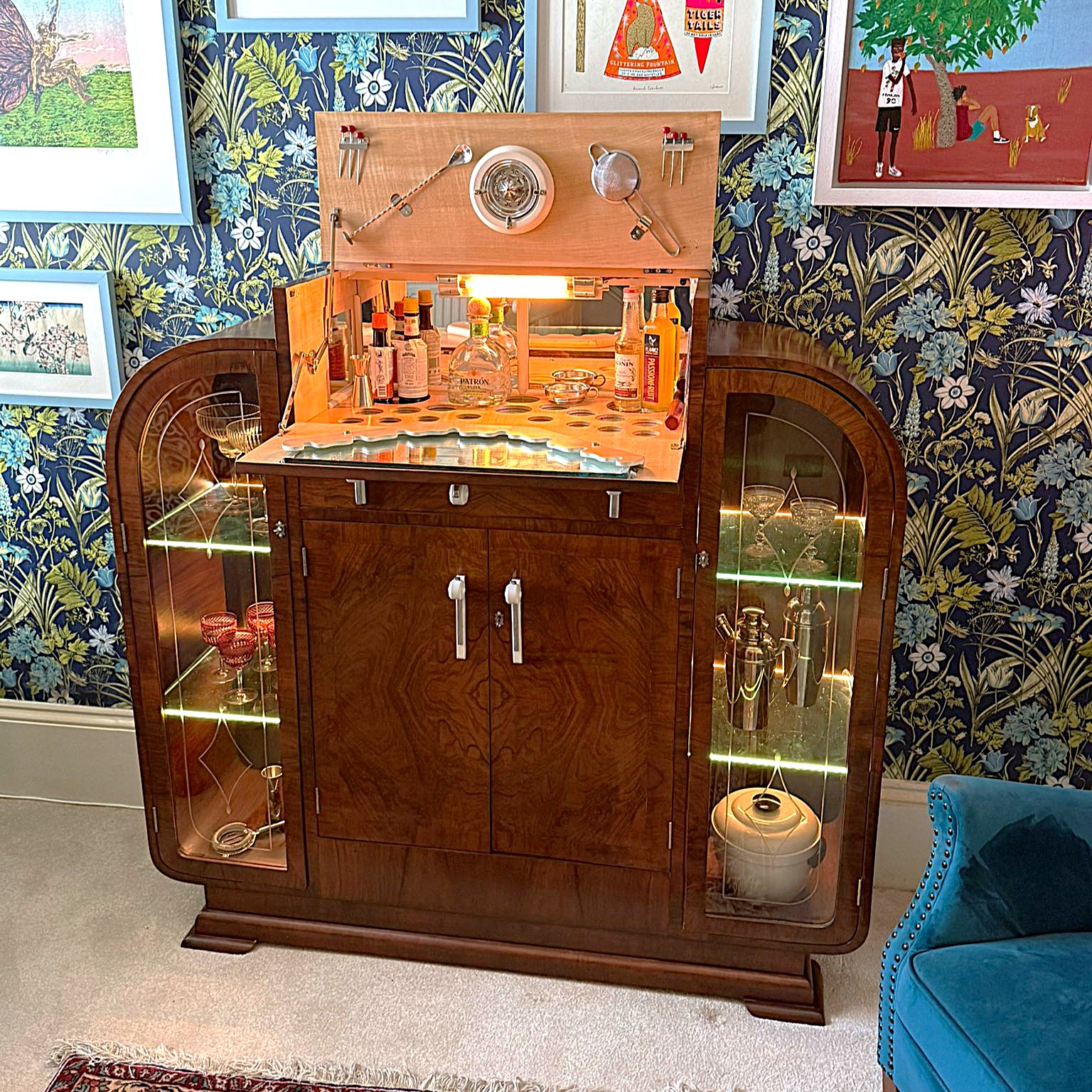
This elegant 1930s Art Deco cocktail cabinet arrived with extensive damage caused by damp and mould. Areas of veneer were missing or beyond repair, and the original feet were either rotten or lost. The mirrored upper interior, lined with beautiful sycamore veneer, also required attention, with damaged glass needing replacement. A full restoration was needed to bring the piece back to its former glory.
Repairs and craftsmanship
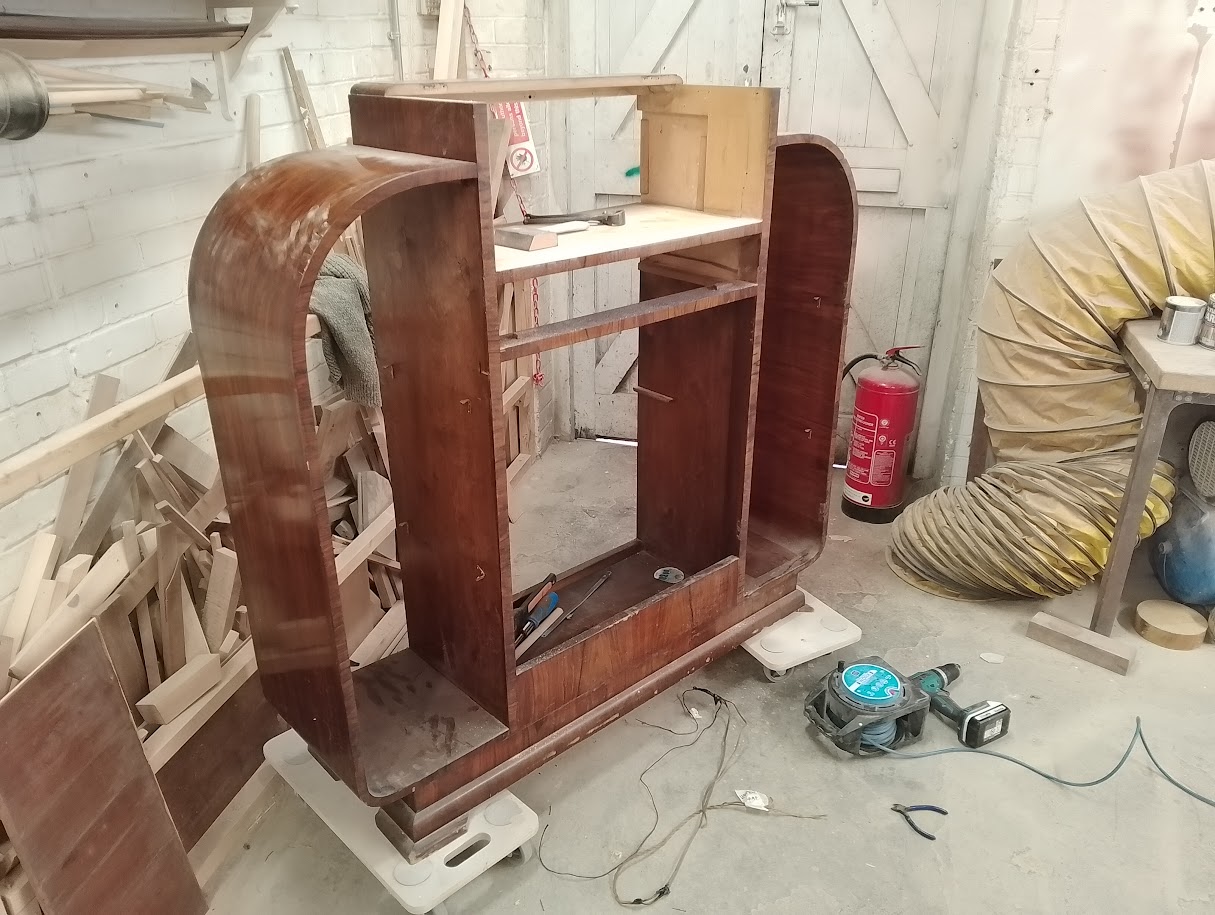
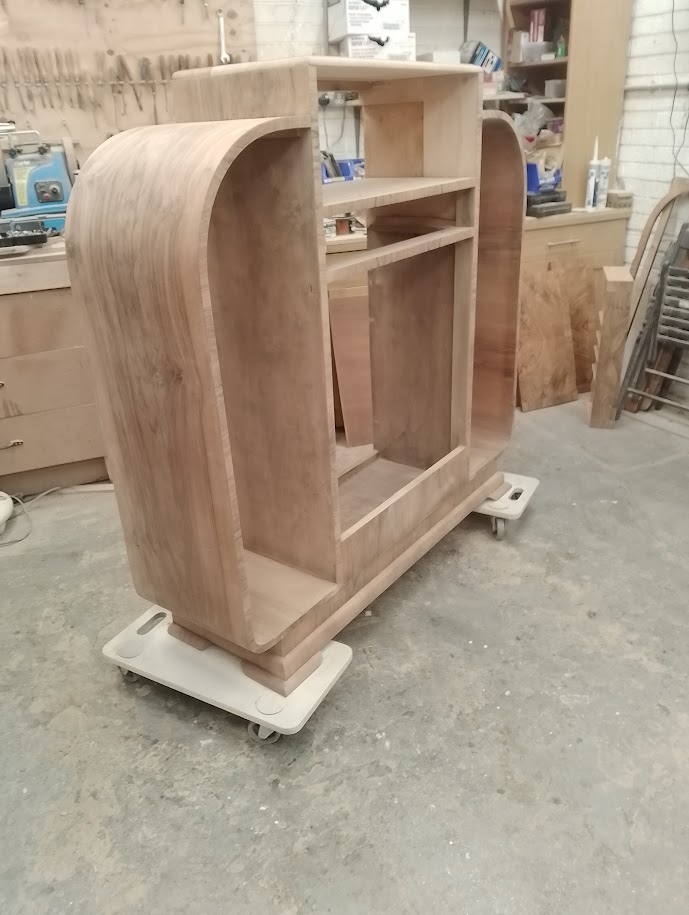
We began by carefully dismantling the cabinet in its entirety, removing the doors, drawers, back panels, and all interior fittings. This allowed full access to every surface, ensuring that no hidden damage was overlooked and that each element could be treated with the attention it required.
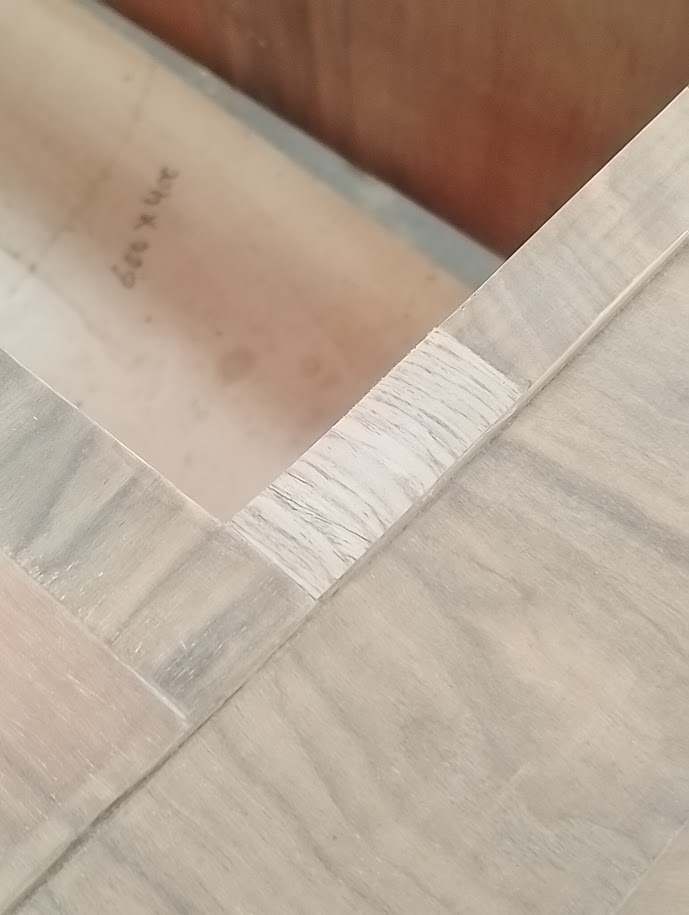
The original finish was then meticulously stripped back, revealing the extent of the underlying condition. This stage enabled us to carry out structural repairs where needed, replace damaged sections of veneer, and fill any surface imperfections. Particular care was taken when patching missing veneer, selecting and aligning the grain so that each repair blended seamlessly with the surrounding timber and respected the cabinet’s original character.
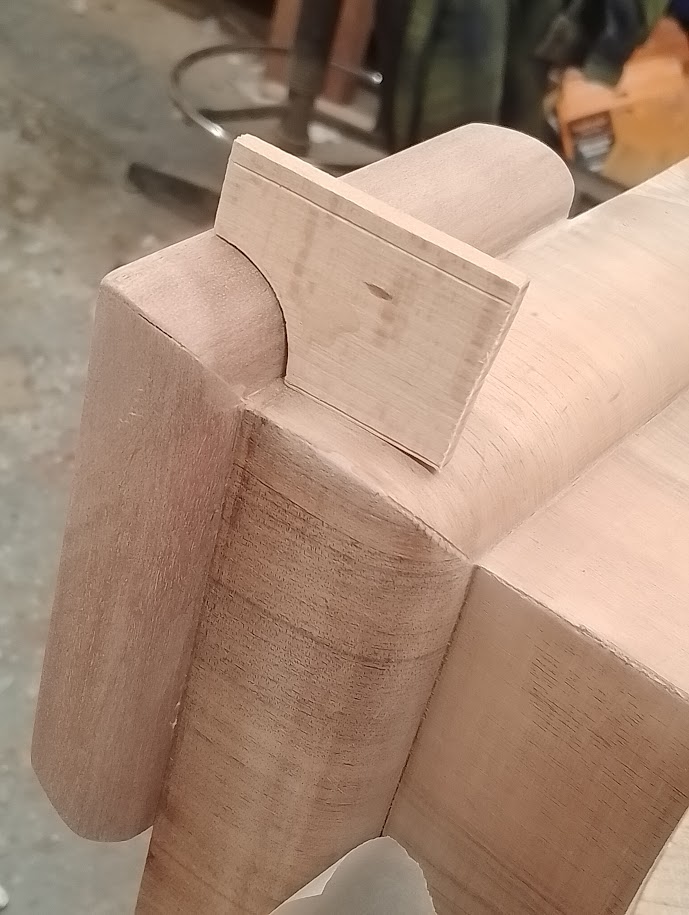
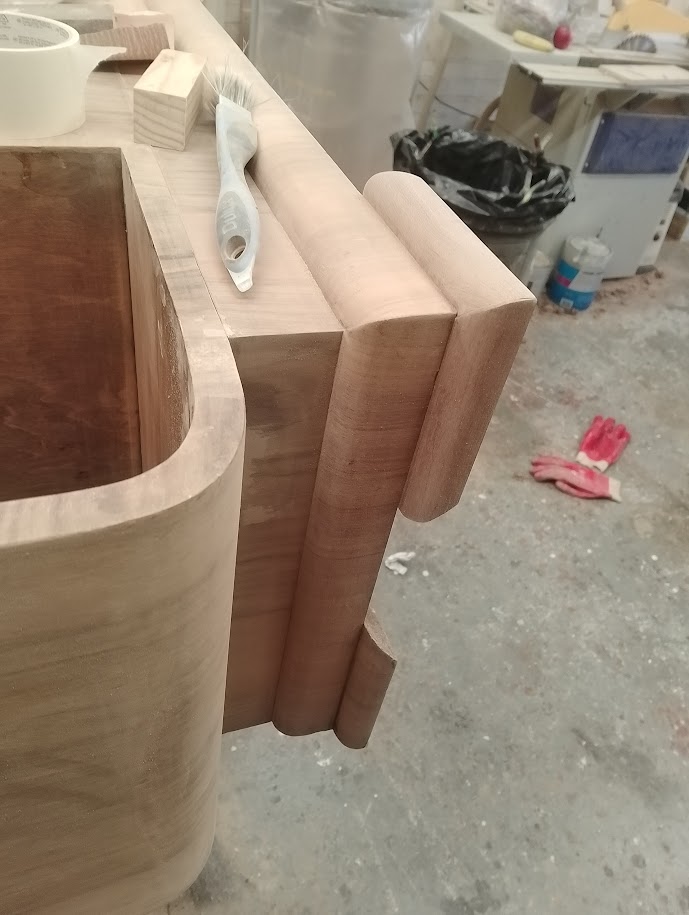
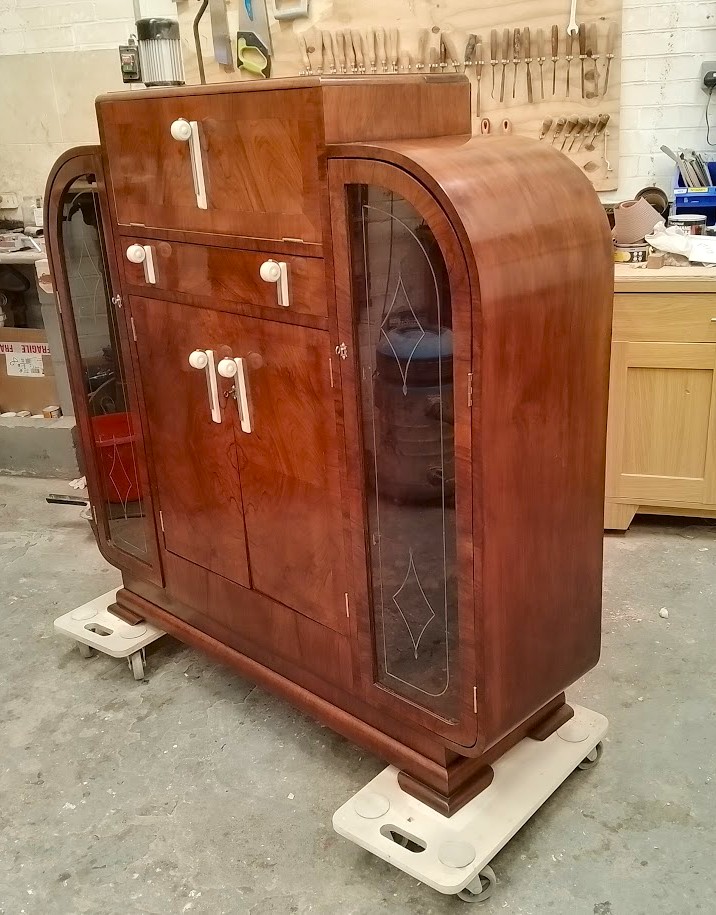
To restore the base of the cabinet, we developed a precise profile of the original feet. This served as a guide for crafting accurate replacements, ensuring the new feet were in keeping with the proportions, style and craftsmanship of the piece, while providing the strength and stability required for many more years of use.
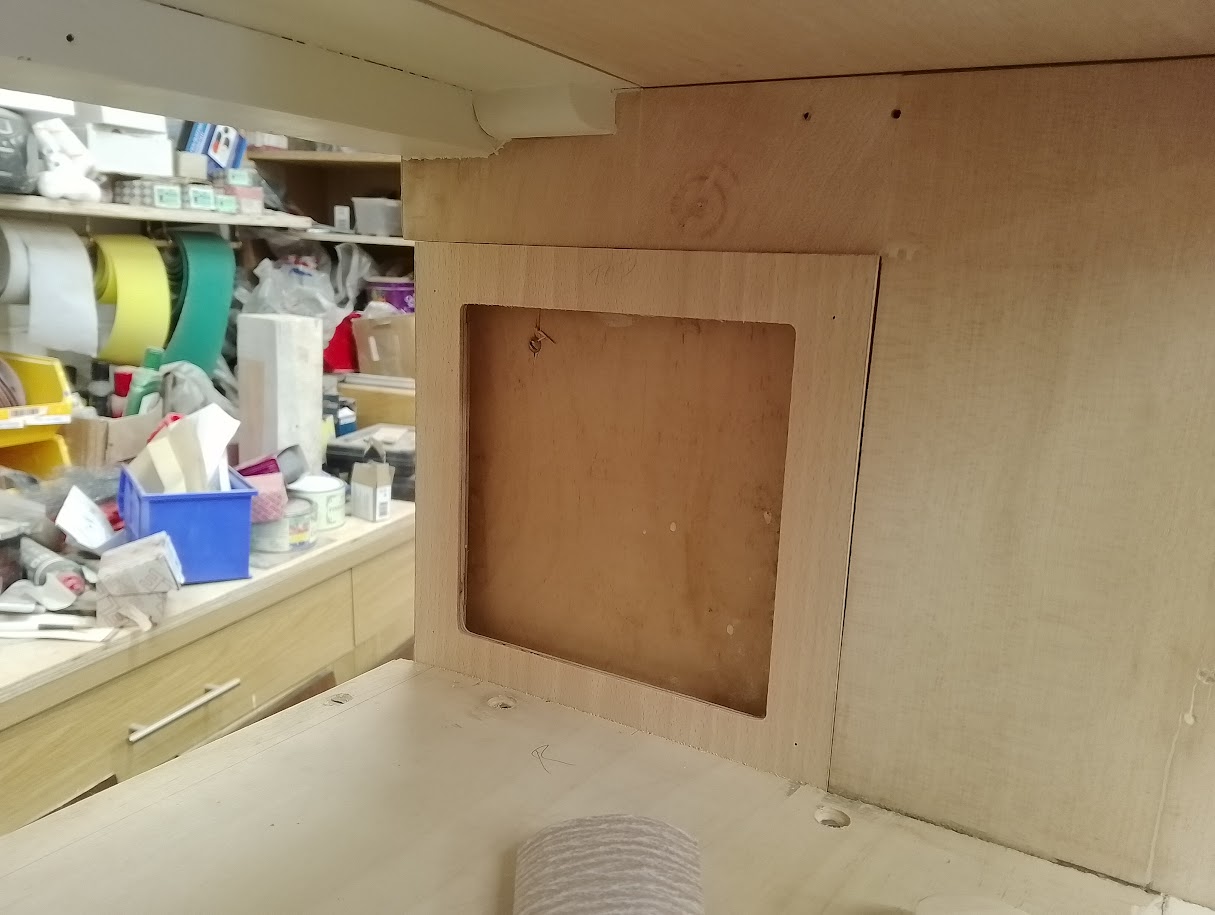
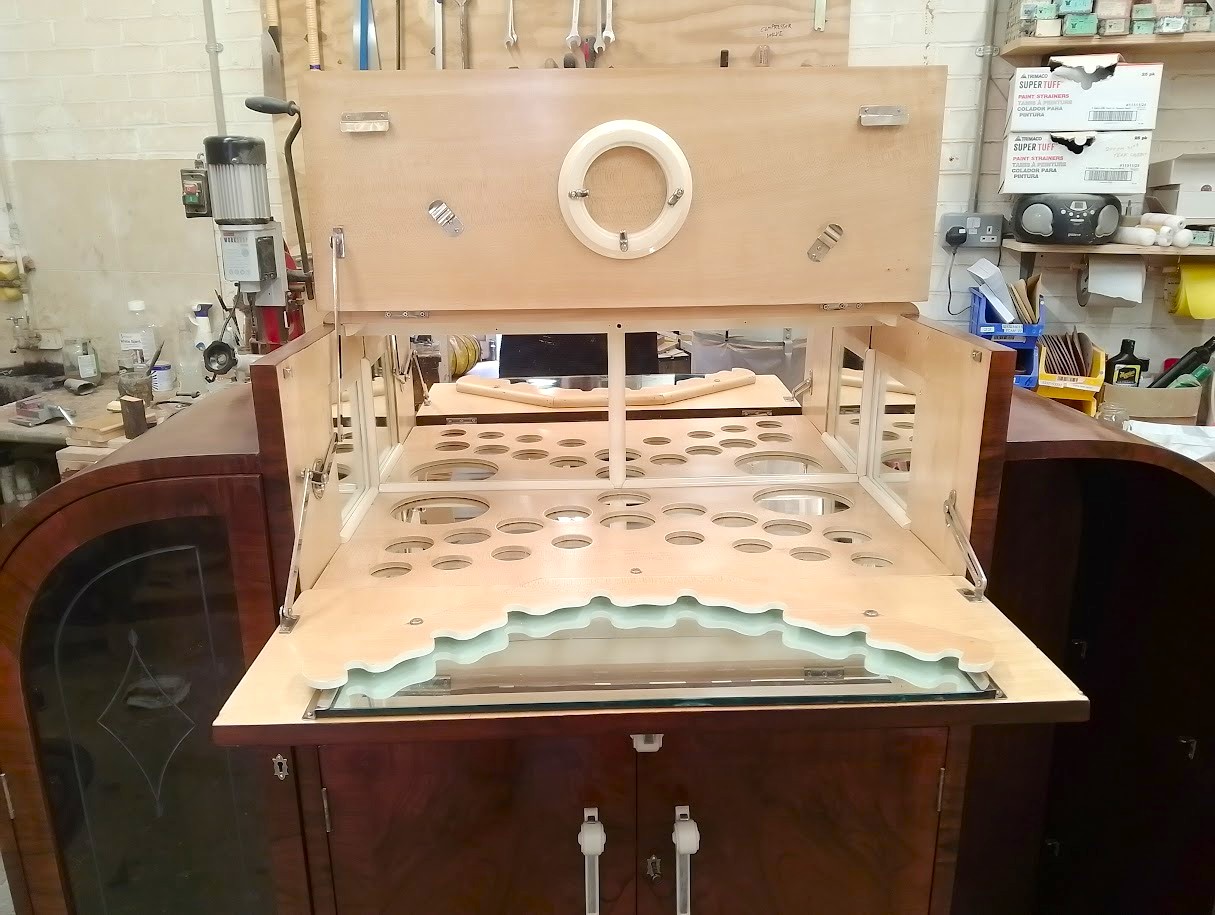
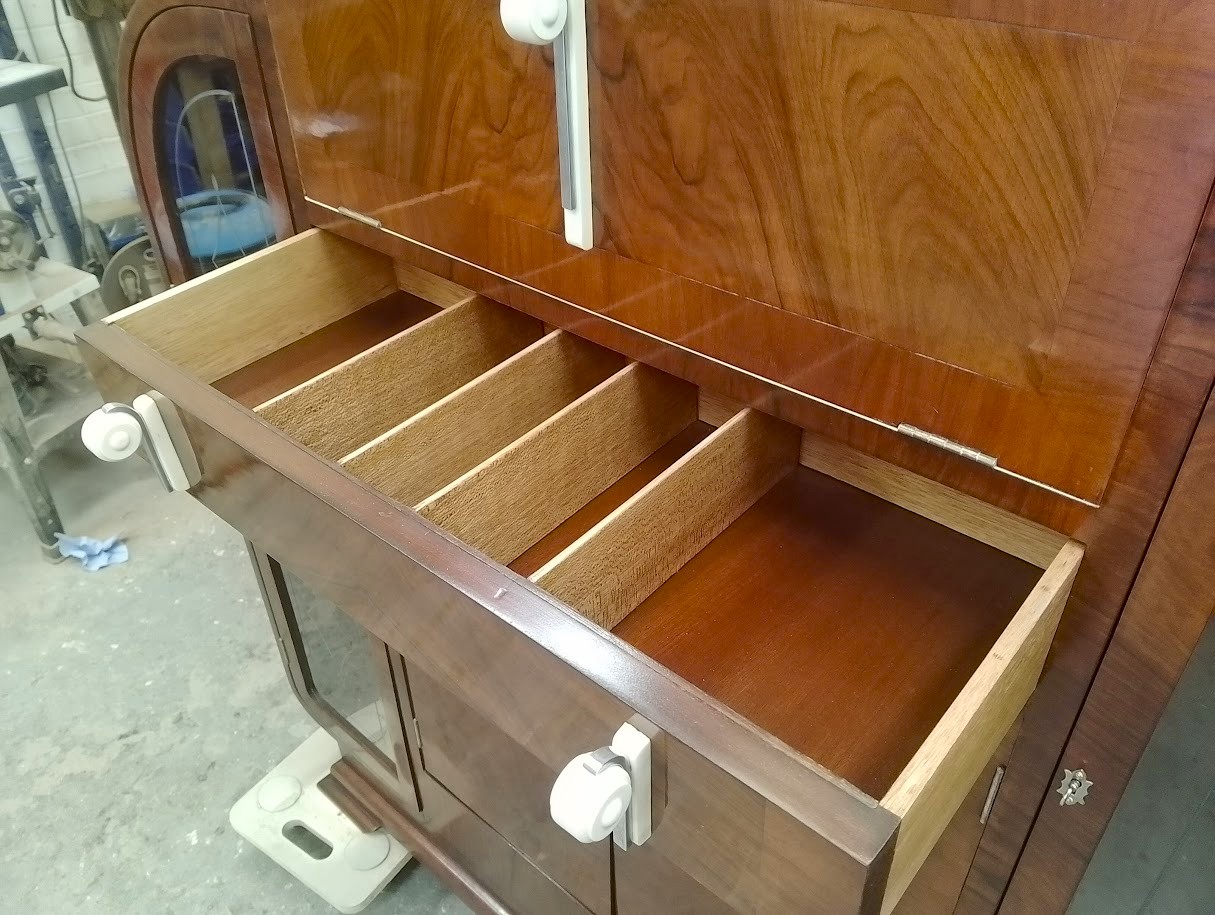
Inside the cabinet, the beautifully figured sycamore veneered interior required careful and considered restoration. The surfaces were gently cleaned and repaired where needed, preserving as much of the original material and character as possible.
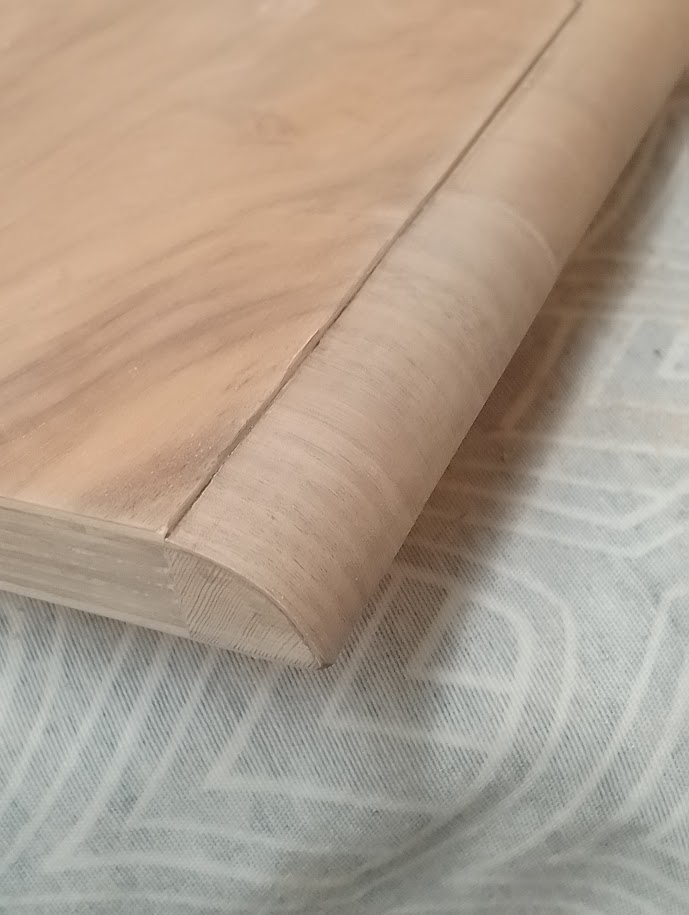
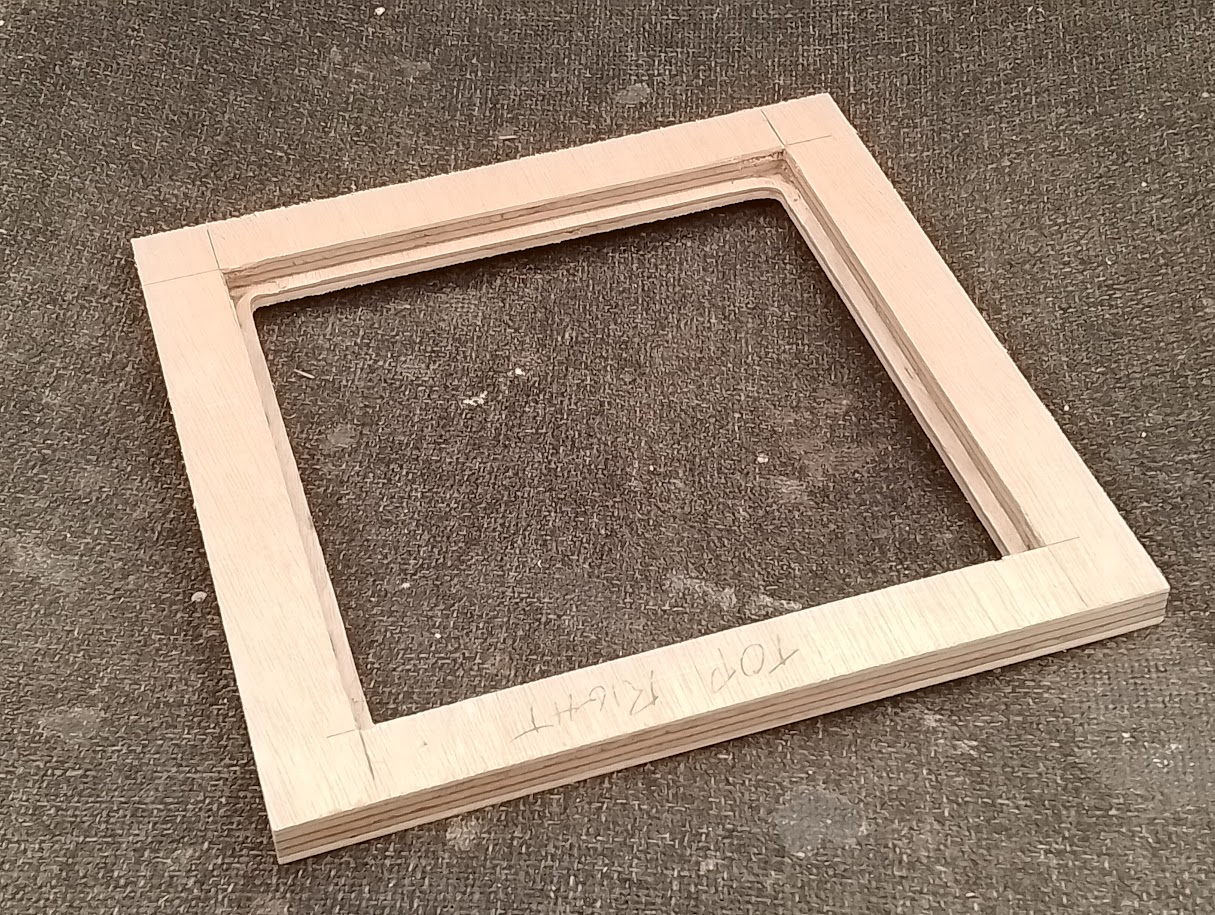
New mirror glass was then precisely cut to size and fitted into bespoke veneered frames, made to complement the existing interior and maintain the cabinet’s original aesthetic. Once the mirrored sections were complete, the interior was reassembled with new, finely finished beading to secure the glass neatly in place.
Refinishing and the final result
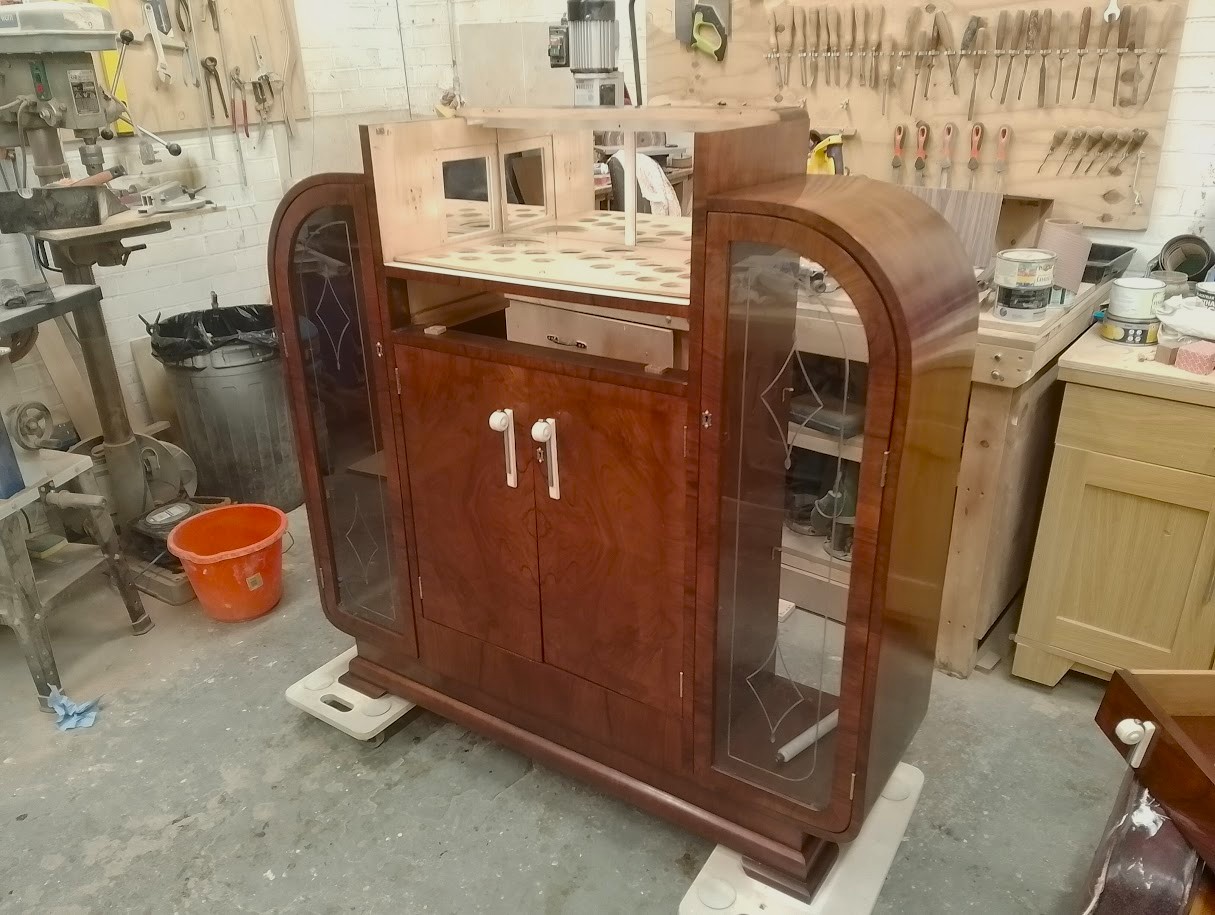
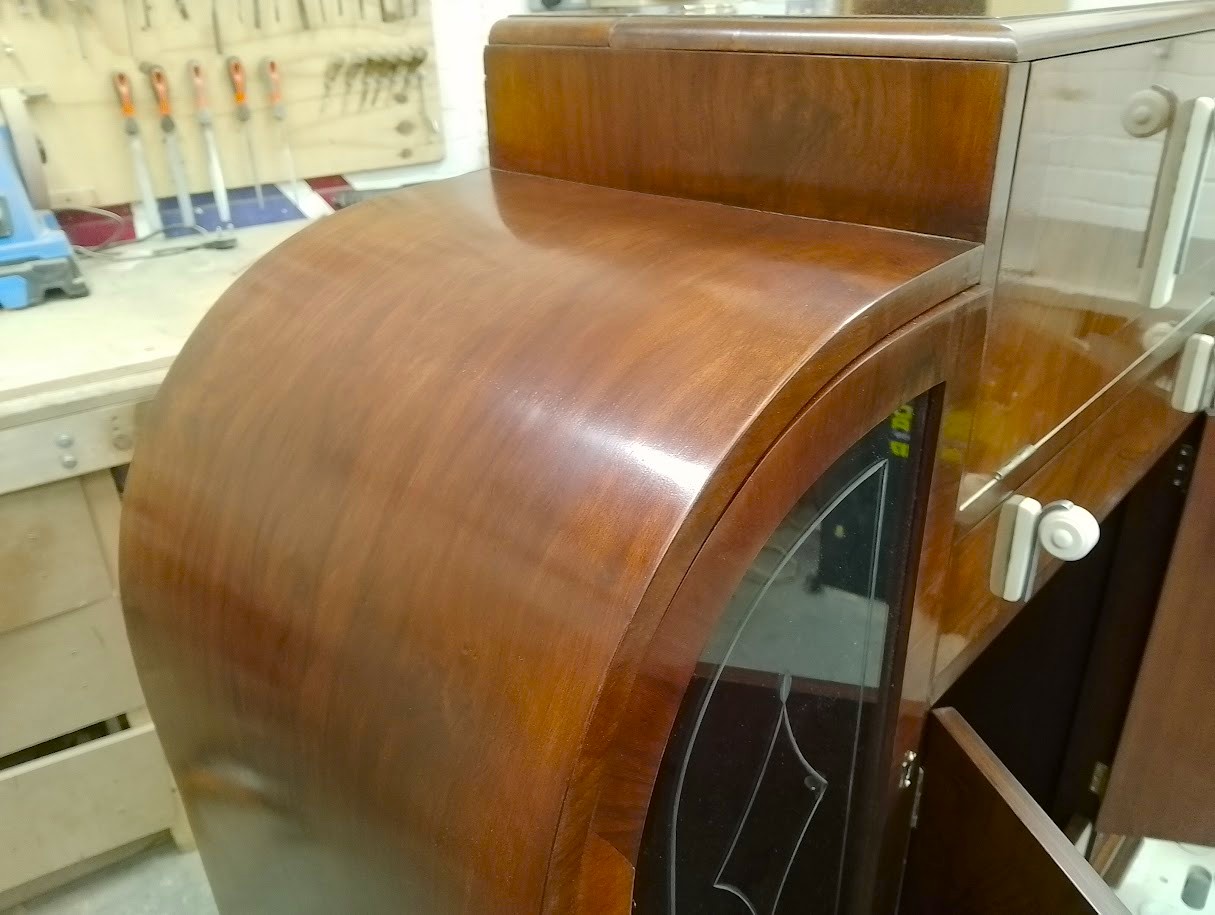
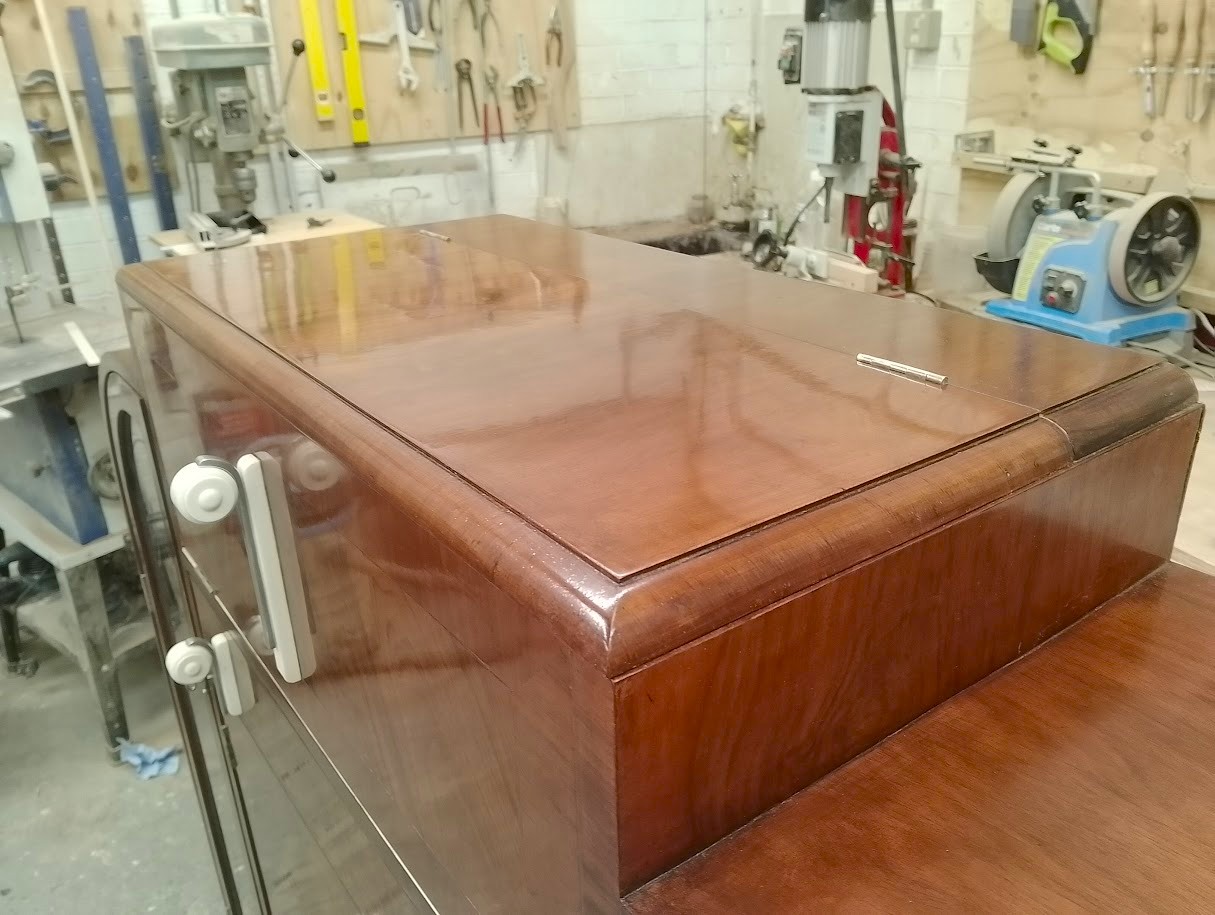
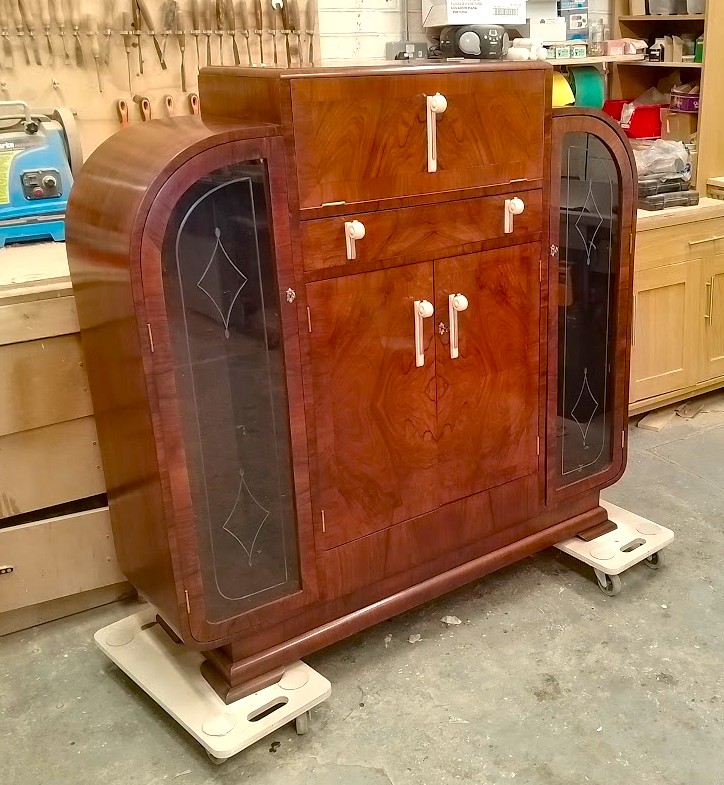
All surfaces were carefully re-coloured to harmonise areas affected by UV fading and the natural ageing of the timber, restoring depth and richness to the overall appearance. The cabinet was then sprayed with four coats of gloss lacquer, building up a durable and even finish that both protects the surface and enhances the beauty of the walnut veneer.
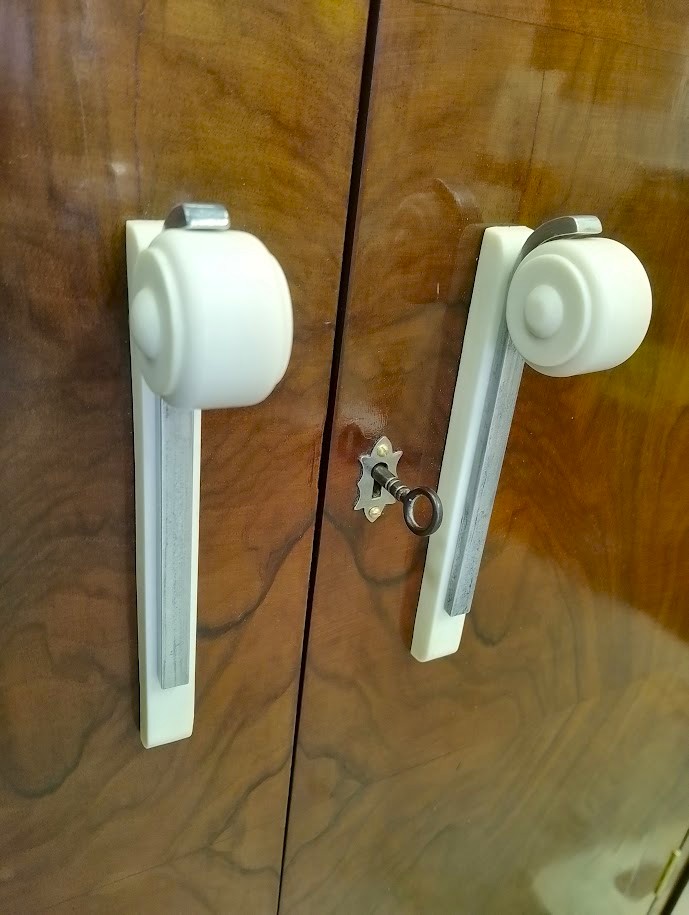
Particular attention was given to the original Bakelite handles. These were thoroughly cleaned and revived to bring them back to a bright, crisp white, restoring their striking contrast against the darker tones of the cabinet. The aluminium elements that secure the Bakelite were also carefully polished, bringing them back to a clean, bright shine and enhancing the overall detailing.
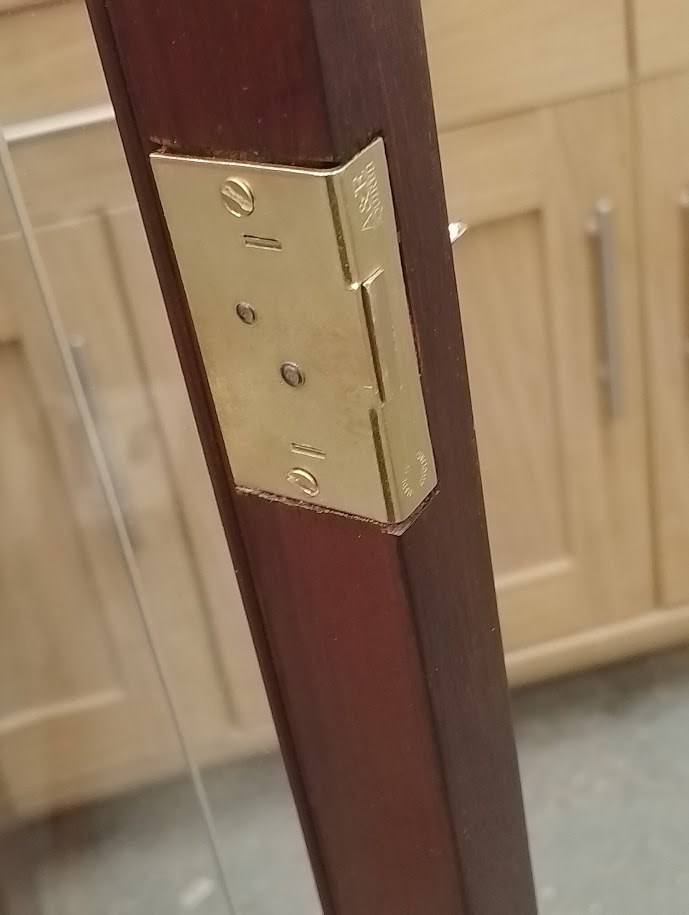
Finally, all hardware was refitted, including new half-mortice locks, and the cabinet was carefully reassembled, ensuring everything aligned perfectly and functioned as intended, ready for use once again.
Also, explore our work on Facebook and Instagram for our latest updates and projects, and visit our Pinterest page for inspiration, ideas, and a closer look at our craftsmanship and restorations.